Car Audio Specialists: What They Do and How to Choose
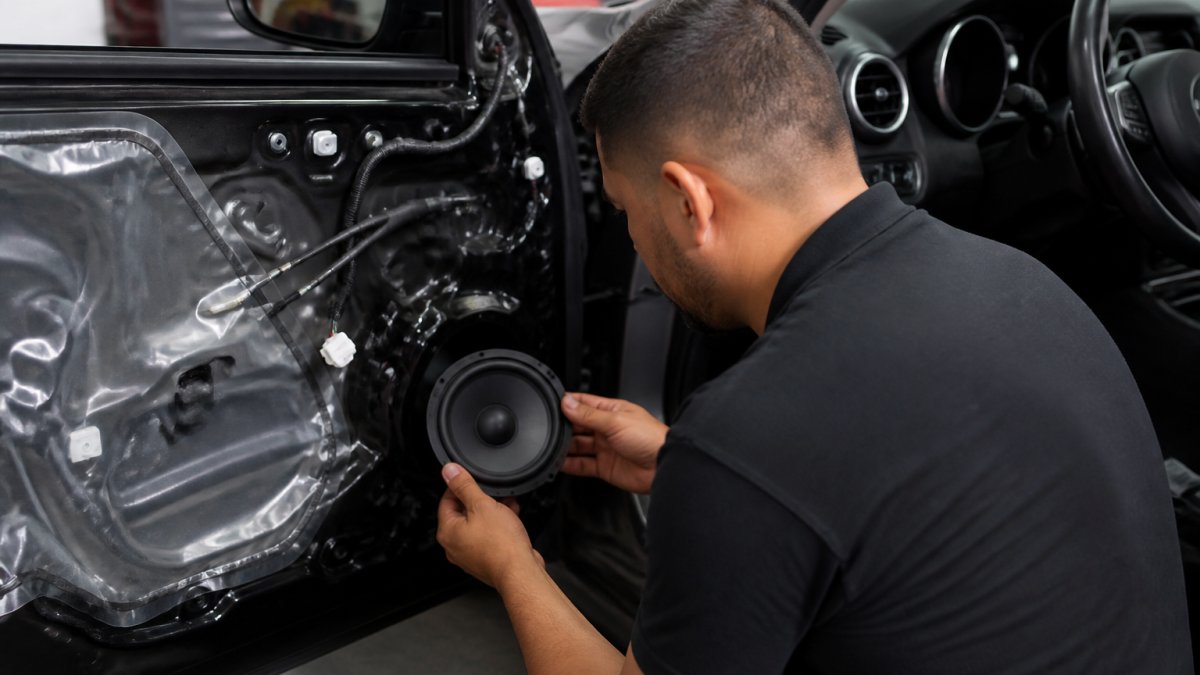
Table of Contents
- What Car Audio Specialists Actually Do
- Professional Car Audio Installation Cost: What Affects the Price
- Car Audio System Upgrade Benefits Worth Paying For
- What a Custom Car Stereo Build Involves
- How to Evaluate Installer Quality Before You Commit
- Compatibility and System Planning for Modern Vehicles
- Aftercare, Warranties, and Troubleshooting
- Frequently Asked Questions
Last Updated: October 9, 2026
What Car Audio Specialists Actually Do
Car audio specialists are technicians who design, install, and tune sound systems in vehicles, going well beyond swapping out a factory radio. At HB Auto Sound OC, we've spent more than 15 years doing exactly this work across cars, boats, and RVs, and the difference between a specialist and a general mechanic comes down to one thing: system-level thinking.
A general shop can drop in a new head unit. A specialist plans how every component works together before a single panel comes off. The Consumer Technology Association guidance on mobile electronics makes the same point: sound quality depends on installation as much as equipment.
That planning matters because modern vehicles are not simple. A 2015 Honda with a factory-integrated system, for example, routes climate, backup camera, and steering wheel controls through the same harness as the radio. Get the integration wrong and you lose features you paid for.
Services Beyond a Basic Stereo Swap
Specialists handle far more than a head unit replacement. Typical work includes:
- Speaker installation and upgrades with proper sound deadening
- Subwoofer and amplifier installation, including custom enclosures
- Apple CarPlay and navigation integration that preserves factory controls
- Backup cameras and headrest monitors
- Vehicle security and alarm systems, plus remote start
- Window tinting for heat and UV reduction
The throughline is that these services share the same skill: pulling a vehicle apart carefully and putting it back better than it was.
Professional Car Audio Installation Cost: What Affects the Price
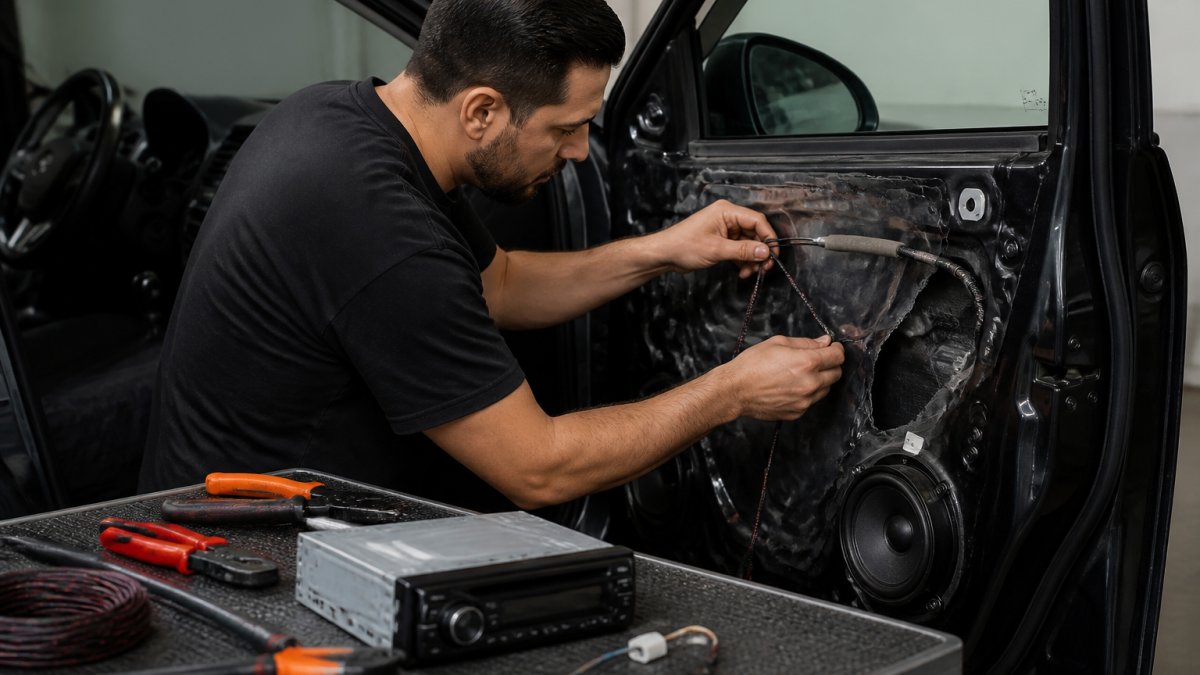
There is no single number for professional car audio installation cost, and any shop that quotes a flat figure over the phone without seeing your vehicle is guessing. What a specialist can do is break the job into its parts so you can see where the money goes. Most quotes come down to four buckets: labor hours, equipment, integration hardware, and fabrication materials.
Labor is usually billed by the hour, and the rate reflects the shop's overhead and installer skill, not the size of the job. A basic head-unit swap in an older vehicle with a single-DIN dash might take an hour or two.
| Cost driver | What keeps it low | What pushes it up |
|---|---|---|
| Labor time | Simple dash, accessible wiring | Factory-integrated dash, hidden amplifiers, tight trim |
| Equipment tier | Entry-level coaxial speakers | Component speakers, dedicated amplifiers, DSP |
| Integration hardware | None needed | CAN bus interface, steering wheel control module, camera retention adapter |
| Fabrication | Drop-in plastic mounts | Custom subwoofer enclosure, kick panels, amp rack |
| Sound treatment | None | Door deadening, closed-cell foam, decoupling rings |
| Extras | None | Backup camera, remote start, tint, paint protection film |
A common pattern is that two shops quote the same stereo upgrade and land hundreds apart. The gap is rarely the equipment, it is whether the quote includes the integration module that keeps your backup camera and steering wheel buttons alive, whether the installer plans to run new speaker wire or reuse the factory harness, and how many hours of labor the shop has budgeted.
How to Compare Quotes Without Getting Burned
Ask every shop to itemize labor, parts, and integration hardware separately. That single request turns a vague number into a comparable document. Look for these line items:
- Labor hours, a range is fine, but the shop should state its hourly rate and estimated time.
- Equipment, brand, model, and whether it is new or refurbished.
- Integration parts, interface modules, dash kits, wiring harnesses, antenna adapters.
- Fabrication, materials and whether the enclosure is built in-house or outsourced.
- Sound treatment, what product, how many square feet, and where it goes.
- Warranty terms, labor and equipment coverage stated in writing.
If a shop cannot or will not itemize, that is a signal. A written estimate protects both sides, and the Better Business Bureau's guidance on getting written estimates is a useful reference for what a proper quote should include. For current pricing on your specific vehicle, the honest answer is that you need a vehicle-specific quote, but you should now know exactly which questions to ask to get one you can trust.
Car Audio System Upgrade Benefits Worth Paying For
The clearest car audio system upgrade benefits are better sound clarity at high volume, retained factory features, and a vehicle that holds its value. A quality install also protects the electronics you already have.
Here's what most guides miss: the biggest gain usually isn't the speakers. It's the sound deadening and clean wiring underneath them. A mediocre speaker installed well will outperform a premium speaker rattling against a bare door panel.
Benefits owners actually notice:
- Music stays clear at highway speed instead of turning to mush
- Bass is tight, not muddy or distorted
- Steering wheel controls and backup cameras keep working
- No rattles, buzzes, or electrical gremlins months later
If you're not a car person and just want better sound plus tint for the heat, that's fine. A good specialist works with you either way.
What a Custom Car Stereo Build Involves
A custom car stereo build is a system designed around your specific vehicle and listening goals, not a box of parts bolted in. It starts with a conversation about what you want, then moves to measurement, fabrication, and tuning.
The process typically runs in stages:
- Consultation to define goals and budget
- Vehicle assessment to map wiring and space constraints
- Component selection from authorized-dealer equipment
- Fabrication of enclosures and mounting panels
- Installation with sound deadening and clean routing
- Tuning to balance the system for your cabin
Custom fabrication is where experience shows. Enclosures built to the wrong internal volume make even great subwoofers sound flat.
How to Evaluate Installer Quality Before You Commit
Installer quality comes down to verifiable proof: certifications, references, and a portfolio you can inspect. Experience claims are easy to make and easy to check. What most guides skip is a repeatable way to score a shop before you hand over your keys. Use the framework below, it works whether you are comparing two local shops or a national chain against an independent specialist.
The Five-Point Evaluation Framework
1. Certifications and brand authorizations. Ask which manufacturers have authorized the shop to sell and install their products. Authorized dealers must meet training and facility requirements, and they can register your equipment for warranty.
2. Workmanship warranty in writing. Labor warranties and equipment warranties are separate. Ask how long the labor warranty runs, what it covers, and whether it is transferable if you sell the vehicle. A shop that stands behind its work will put this in writing without hesitation.
3. Vehicle-specific experience. A shop that has done ten of your exact model knows the trim clips, the harness pinout, and the places where rattles develop. Ask to see photos or a build log from a vehicle like yours.
4. Installation practices you can inspect. Ask whether the shop uses soldered and heat-shrunk connections or crimp connectors, whether it runs new speaker wire or taps the factory harness, and whether it uses sound deadening as standard or as an upsell.
5. Review patterns, not just star ratings. Read the negative reviews first. A shop with a few bad reviews that show a thoughtful owner response is often a better sign than a perfect rating with no detail.
Questions to Ask and Red Flags to Watch
Ask these before you hand over your keys:
- Are your installers certified, and for which brands?
- Can I see recent work on a vehicle like mine?
- How do you handle steering wheel controls and backup cameras?
- What is your warranty on labor and parts, in writing?
- What happens if I get electrical issues after the install?
- Do you use soldered connections or crimp connectors?
- Is sound deadening included or an add-on?
Red flags: no physical address, no written estimate, pressure to pay in full upfront, vague answers about warranty, or a shop that cannot explain how it retains factory features. If the installer cannot describe the integration module by name, they probably have not done your vehicle before.
Compatibility and System Planning for Modern Vehicles
Compatibility and system planning decide whether your upgrade works or fights you. Modern vehicles tie audio, climate, cameras, and controls into shared networks, so planning happens before installation.
This is where the real difference between a specialist and a generalist shows. A specialist checks whether your head unit supports your factory amplifier, whether you need a CAN bus interface, and whether your speakers can handle the new power.
What planning covers:
- Head unit fitment and dash kit availability
- Amplifier and speaker power matching
- Integration modules for factory controls and cameras
- Wiring gauge and fuse ratings
- Space for subwoofers and amplifiers
Get this right and the install is invisible. Get it wrong and you'll chase electrical faults for months.
Aftercare, Warranties, and Troubleshooting
Aftercare is what separates a shop that stands behind its work from one that disappears after payment. A proper install includes a clear warranty on both labor and equipment, plus a plan for troubleshooting.
Ask what's covered before you buy. Labor warranties and equipment warranties are often separate, and knowing the difference saves arguments later. If you develop electrical issues or a blown fuse down the road, you should know exactly who to call.
Reputable specialists also walk you through basic care: how to clean your tint without damaging it, how to protect PPF, and how to spot a loose connection early. That guidance is part of the job, not an upsell.
Choosing the right car audio specialists is really about trust: will they treat your vehicle like their own and stand behind the result? At HB Auto Sound OC, we back every job with certified installers, authorized-dealer equipment, and more than 15 years serving drivers across the area. From custom builds and security systems to window tinting, our team handles cars, boats, and RVs with the same care. Get a free quote and hear the difference a clean, professional installation makes.
Frequently Asked Questions
How much does it cost to get car audio installed?
Pricing depends on the vehicle, the equipment you choose, and how much fabrication the job requires. A basic head unit swap costs far less than a full system with amplifiers, subwoofers, and sound deadening. Ask any car audio specialists for an itemized quote that separates parts from labor, and confirm whether wiring, dash kits, and adapters are included. Request a free quote from HB Auto Sound OC for numbers specific to your car.
What should I look for when choosing car audio specialists?
Look for certified installers, authorized dealer status for the brands they carry, and a portfolio of completed builds you can inspect. Read customer reviews for patterns, not just star ratings, and pay attention to how the shop responds to complaints. Ask how they handle steering wheel controls, backup cameras, and factory integration on your specific model. A shop with 15+ years in business and verifiable references is a safer bet than the lowest bidder.
Is it worth paying for professional car audio installation?
Factory systems in modern cars tie into navigation, backup cameras, and steering wheel controls, so a careless install can disable features you use daily. Professional installation also affects sound quality: poor wiring, missing sound deadening, or a badly sealed enclosure can make premium speakers sound worse than stock. Professional car audio installation cost is higher than a DIY job, but it covers the labor, adapters, and tuning that protect your investment.
Do car audio specialists handle factory system upgrades?
Yes. A car audio system upgrade benefits owners of vehicles with integrated factory systems, including those with touchscreen infotainment, amplified speakers, and backup cameras. Specialists use vehicle-specific harnesses and interface modules to keep steering wheel controls, warning chimes, and camera feeds working. The right approach depends on your trim level, so share your year, make, model, and audio package before scheduling the work.
Ready to Upgrade Your Ride?
Call us at (714) 842-1250 or visit us at 16732 Beach Blvd Ste A, Huntington Beach.
Get a Free Quote